
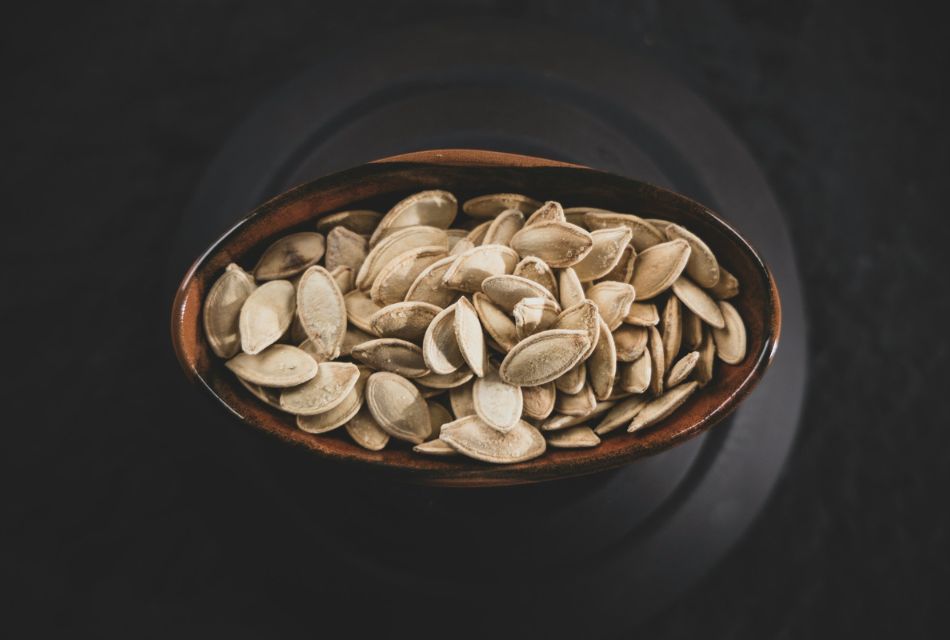
Can sunflower seeds go bad? This is a common question for people who enjoy snacking on these nutritious seeds. The answer is yes, sunflower seeds can go bad if not stored and handled properly.
In this article, we will discuss everything you need to know about determining if sunflower seeds have gone bad, what to do with stale sunflower seeds, eating expired sunflower seeds, their shelf life, and how to store them to maximize freshness.
These are a popular snack food known for being rich in healthy fats, protein, fiber, and various vitamins and minerals.
Their mild, nutty taste makes them a versatile addition to many recipes, from salads to baked goods. However, like many other foods, sunflower seeds are susceptible to spoilage if left untreated for too long.
Let’s find out.
How to Tell if Sunflower Seeds Are Bad?
You can use your senses to determine if your sunflower seeds have gone bad. Here are a few simple ways to test their freshness:
- Look: Inspect the shells and kernels. They should be uniform in color. Discoloration, visible mold, condensation inside the packaging, or dark spotting on the shells may indicate spoilage.
- Smell: Sunflower seeds have a mild, nutty aroma when fresh. If they smell rancid, musty, or unpleasant, they are likely spoiled.
- Taste: Take a small bite. Stale seeds will taste cardboard-like, while rancid ones have a bitter, unpleasant flavor.
- Texture: Sunflower seeds should have a firm, crunchy texture. If the shells are soft or the kernels mealy, that is a sign they have gone bad.
Keeping an eye out for any negative changes in appearance, smell, taste, and texture will help you determine if your sunflower seeds are still good to eat or need to be discarded. When in doubt, remember, “if it seems off, throw it out.”
What to Do With Stale Sunflower Seeds?
If your sunflower seeds are past their prime but not yet rancid, there are ways to revive them. Here are some ideas for freshening up slightly stale sunflower seeds:
- Toast them: Spread the seeds on a baking sheet and toast in a 300°F oven for 5-10 minutes. This helps eliminate staleness and brings back their signature crunch.
- Roast them: Toss the seeds with oil and roast at 300°F for 15-20 minutes until golden brown. Roasting enhances their flavor.
- Simmer in water: Place seeds in a pot, cover with water, bring to a boil, then simmer for 2 minutes. Drain, dry, and roast as usual. This rehydrates them.
- Use in cold dishes: Incorporate stale sunflower seeds into no-bake treats like homemade granola bars, trail mixes, and chia puddings. The cool temperature masks staleness.
- Grind into butter: Grind the seeds in a food processor into sunflower seed butter. The powerful flavors cover up mild staleness.
- Repurpose into feed: Stale sunflower seeds, dried fruit, and nuts make great bird feed or chicken treats. Avoid if moldy.
With a little creativity, you can often find ways to use stale sunflower seeds rather than throwing them away. But if they smell or taste rancid, it’s safest to discard them.
Can You Eat Expired Sunflower Seeds?
Sunflower seeds typically come stamped with a “best by” date on the packaging, which is simply an estimate of when they might start declining in quality.
However, the expiration date doesn’t necessarily mean they are unsafe to eat after that date. As long as properly stored, sunflower seeds can sometimes be enjoyed past their expiry.
To determine if expired sunflower seeds are still edible, examine them closely using the tips above. If their aroma, color, taste, and texture seem normal, they should be fine to consume.
However, if you notice any stale, rancid, or off characteristics, it’s best to throw away the expired seeds rather than risk eating spoiled ones.
Some also recommend roasting expired sunflower seeds at 300°F for 10-15 minutes to eliminate any microbial growth and make them safe to eat again.
But if they exhibit signs of rancidity, it’s not recommended to try reviving the expired seeds, as unpleasant flavors will persist.
Ultimately, use your best judgment when evaluating expired sunflower seeds. Rely on your senses, not just the packaging date. But when in any doubt, don’t risk illness – out with the old.
Read Also: Can You Use Expired Cake Mix?
How Long Do Sunflower Seeds Last?
How long sunflower seeds remain fresh and enjoyable to eat depends primarily on how they are stored. Here are some general guidelines for sunflower seed shelf life:
- Pantry: 6 to 8 months past their “best by” date when properly stored.
- Refrigerator: Up to 1 year when stored in an airtight container. The cool, dry environment prolongs freshness.
- Freezer: Up to 1 year in an airtight freezer bag or container. Freezing halts spoilage.
- On the shelf: Around 6 months when left unopened in proper retail packaging. Once opened, use within 3 months.
Keep in mind, that these timeframes assume proper, low-humidity storage at normal refrigerator and room temperatures. Heat, light exposure, moisture, and temperature fluctuations will shorten how long the seeds stay fresh.
No matter where you store them, it’s important to monitor your sunflower seeds for any visual, smell, taste, or textural signs of spoilage.
Don’t rely solely on the expiration date. If they seem “off,” don’t take chances – when in doubt, throw it out.
How to Store The Seeds
To help them last as long as possible, follow these storage tips:
- Store in airtight containers or resealable bags to keep out excess oxygen and moisture. Plastic, glass, or metal containers work best.
- Keep in a cool, dark, dry place around 55-70°F if possible. Avoid direct sunlight which can accelerate spoilage.
- Check for visible signs of moisture inside the packaging, which speeds up staleness. Wipe containers dry before use if needed.
- Buy only what you can reasonably use within a few months and avoid bulk bins, which expose seeds to air and contaminants.
- For long-term storage, refrigerate or freeze for up to 1 year to halt spoilage. Allow refrigerated seeds to come to room temp before consuming.
- When freezing, squeeze out excess air and seal bags tightly. Defrost frozen seeds in the refrigerator before using to prevent moisture buildup.
Following proper storage methods can significantly prolong the shelf life of sunflower seeds. But remember to rely on your senses of smell, taste, and sight to determine if your seeds are still safe and tasty to eat.
Discard promptly at the first signs of staleness or rancidity. With the right storage and handling, you can enjoy fresh, flavorful sunflower seeds for many months past the “best by” date.
Conclusion
Sunflower seeds can eventually spoil if stored incorrectly for too long. Signs like foul odors, soft texture, dark spotting, bitter taste, or visible mold indicate sunflower seeds have likely gone rancid and should be discarded.
To extend their shelf life, store sunflower seeds in an airtight container in a cool, dry, dark place for 6-12 months. The refrigerator or freezer provides even longer freshness for up to 1 year. Even if not expired, rely on your senses to determine safety and quality.
With proper storage and handling, you can safely enjoy tasty, nutritious sunflower seeds long past their “best by” date printed on the package.


0 Comments