
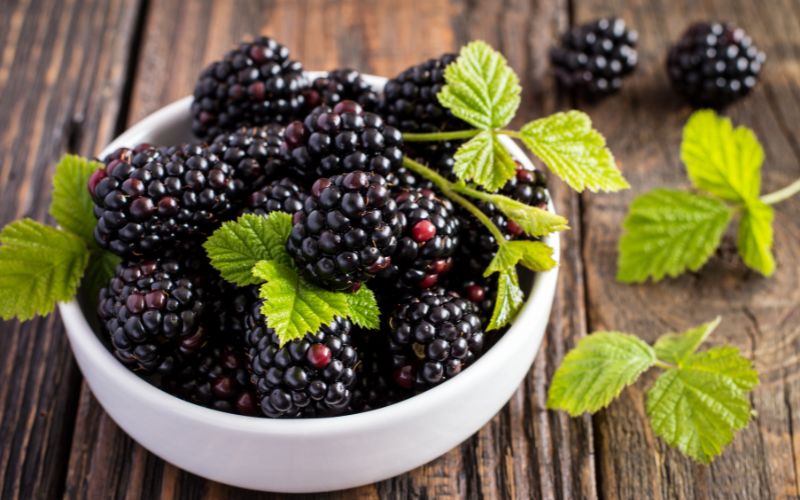
Blackberries are a delicious and nutritious fruit that can be enjoyed fresh or used in various recipes. However, like any fresh produce, blackberries have a limited shelf life and can spoil if not stored and handled properly. Knowing how to select fresh blackberries, proper storage methods, and signs of spoilage can help you get the most out of this antioxidant-rich fruit.
When buying or picking blackberries, it’s important to select ones that are plump, firm, and have a deep black color.
Examine the berries closely and avoid any that appear dried out, mushy, moldy, or have white or red drupelets. Fresh, high-quality blackberries should last about 5-7 days when refrigerated and 1-2 days at room temperature. However, there are several telltale signs that indicate your blackberries have gone bad.
Signs That Your Blackberries Have Gone Bad
Mold Growth
The most obvious sign that blackberries have spoiled is mold. This fuzzy growth will start off white but can progress to grey, green, black, or orange. Mold is one of the first indications that your blackberries are past their prime. Even if you only see a small spot, it’s best to discard the entire package as the spores most likely have spread.
Shriveled or Soft Berries
Fresh blackberries should be plump, firm, and fully shaped. As they start to spoil, the drupelets will become shriveled, soft, and misshapen. This indicates the berries have lost moisture and are breaking down. Dispose off of any blackberries that appear deflated or feel mushy.
Off Odors
Blackberries are highly perishable and very susceptible to fermentation. As they spoil, you may notice sour, yeasty, vinegar-like or alcohol odors. This is caused by natural yeasts and bacteria breaking down the berry’s sugars. Off odors are a sure sign they’ve gone bad.
Bitter Taste
In addition to strange smells, spoiled blackberries can develop an off or bitter flavor. If you bite into one and detect bitterness or an unexpected taste, it should not be eaten. The off flavors indicate microbial growth or oxidation.
Liquid in the Container
Excess moisture in the container is another red flag. As blackberries decay, they will leak juice that can puddle in the bottom of the packaging. This leaking liquid provides an ideal breeding ground for mold and bacteria.
Whitish Residue
You may notice a grainy white sediment on the surface of old berries. This is caused by the release of diglycerides – natural fatty acids found in the fruit. While not hazardous, it signals deterioration and loss of freshness.
How to Properly Store Blackberries
To extend the shelf life of your blackberries and prevent premature spoiling, proper storage is key. Here are some tips for keeping blackberries fresh longer:
- Buy or pick blackberries that are dry and unwashed. The natural waxy bloom helps seal in moisture.
- Avoid storing berries in sealed containers or bags, as this traps humidity and speeds up spoiling. Use shallow containers that allow air circulation.
- Before refrigerating, inspect berries and remove any that are moldy or damaged. These can accelerate spoilage.
- Line a baking sheet with paper towels then spread berries in a single layer. The towels will absorb excess moisture.
- Place the baking sheet on a refrigerator shelf rather than the door, where temperature fluctuations are more extreme.
- Maintain a temperature between 32-35° F. Higher temps hasten deterioration.
- Wash blackberries right before eating, not before storing. Excess moisture quickens microbial growth.
- Consume refrigerated berries within 5-7 days for best quality. Freeze any you won’t use within 3-4 days.
Proper refrigeration and air circulation enables fresh blackberries to last up to a week before significant spoilage occurs. Freezing is another excellent option for preserving harvested or purchased berries.
Also Read: 10 Efficient Kitchen Tricks to Save Time and Stress
How to Select the Freshest Berries
When buying blackberries, either fresh or frozen, choose plump, shiny berries without any mushy spots or moisture.
Inspect packaging for juice stains or leaking liquid. For fresh berries, look for containers labeled with a recent harvest date for ultimate freshness.
Locally-grown blackberries sold in season tend to have superior flavor and shelf life compared to shipped berries. Farmers markets and pick-your-own farms allow you to hand select ripe, tasty berries.
When picking blackberries yourself, harvest them in the coolest part of the morning. Choose berries that detach easily and avoid any that are under ripe. Quickly refrigerate upon returning home.
No matter where you obtain blackberries, examine them closely and avoid packages with shriveled, dull or soft berries. Select containers with intact and dry drupelets for the highest quality and longest lasting berries.
How Long Do Blackberries Last Before Spoiling?
On average, fresh blackberries last 5-7 days when properly stored in the refrigerator. The exact shelf life depends largely on the condition of the berries at purchase and how they are handled.
Here are some general guidelines for blackberry longevity:
- Refrigerator: 5-7 days.
- Counter or room temperature: 1-2 days.
- Cooler with ice: Up to 3 days.
- Freezer: Up to 1 year.
Blackberries sold in grocery stores are typically 5-7 days old already. For maximum freshness, buy local berries in season or pick your own. Prepared properly, fresh picked blackberries can often last the full 5-7 days refrigerated.
Pre-washed berries tend to deteriorate faster, lasting only 2-3 days in the fridge. For the longest shelf life, buy dry, unwashed berries. Also avoid containers with condensation or stains from leaking juices.
With ideal storage conditions, fresh blackberries can maintain peak quality for up to a week before going bad. Freezing lets you enjoy their sweet flavor year-round.
Can You Eat Blackberries if They Just Have a Small Moldy Spot?
It’s tempting to salvage blackberries with just a minor moldy spot, but this is unsafe. The edible portion surrounding visible mold is still contaminated by mold spores and mycotoxins.
Aspergillus, Penicillium, and Botrytis are common genera of mold that grow on blackberries. Ingesting these can cause allergic reactions, respiratory irritation, and foodborne illness symptoms.
For food safety, it’s advisable to discard the entire batch of blackberries if mold is spotted. The spores penetrate quickly and cannot be fully eliminated by washing or cooking.
While it may seem wasteful, it’s better to be safe and not risk adverse health effects from eating moldy blackberries. Prevention through proper refrigeration and air circulation is the best way to avoid having to throw them out.
Conclusion
Blackberries provide a sweet, nutritious burst of flavor to recipes and snacks. However, like all perishable produce, they have a limited shelf life.
Knowing what to look for and how to store blackberries properly lets you enjoy them at peak quality.
Examine containers closely for signs of mold growth, leakage, and soft or shriveled berries. Discard any packages with obvious spoilage.
For maximum freshness, store unwashed blackberries in a single layer in the refrigerator for 5-7 days. Freezing also lets you enjoy their taste year-round. With proper handling, you can get the most from each berry harvest or market purchase.




0 Comments