

Beans are one of the healthiest foods you can eat. They are packed with protein, fibre, vitamins, and minerals. However, their high fibre content can cause intestinal gas and bloating. If you want to keep enjoying the nutritional benefits of beans without the unwanted side effects, there are several methods you can use to remove gas from beans.
What Makes Beans Cause So Much Gas?
Beans contain complex sugars called oligosaccharides that our bodies cannot fully digest. When these oligosaccharides reach the large intestine, gut bacteria start breaking them down, producing gas as a byproduct. This is why beans are often called the “musical fruit.”
Some varieties of beans contain more oligosaccharides than others and are more likely to cause gas. Kidney beans, black beans, pinto beans, and chickpeas are some of the gassier bean options. Soybeans and lentils also contain oligosaccharides but tend to cause less gas.
While gas and bloating may be uncomfortable, you don’t have to give up nutritious beans. With a few simple preparation methods, you can remove much of the indigestible sugars from beans and reduce their gas-producing effects.
The Nutritional Benefits of Beans
Despite their gassy reputation, beans are incredibly nutritious. Here are some of the top health benefits of adding more beans to your diet:
- Beans are packed with protein and fibre. One cup of cooked beans contains 12-15 grams of fibre and 8-15 grams of protein. The protein in beans is a great plant-based source, and fibre helps lower cholesterol and improves gut health.
- They are rich in vitamins and minerals. Beans provide high amounts of folate, iron, magnesium, potassium, zinc and more. Folate is especially important for pregnant women to promote healthy fetal development.
- Beans may help manage blood glucose. The fibre and protein in beans help slow the digestion and absorption of sugars, preventing blood sugar spikes. Beans have a low glycemic index, making them a diabetes and weight-loss-friendly food.
- The oligosaccharides in beans function as prebiotics. Prebiotics fuel healthy gut bacteria, which improves immunity and digestion. The gassiness means your gut microbes are getting a fit feast!
- Beans may promote heart health. Studies link bean consumption with lower blood pressure and LDL cholesterol. One meta-analysis found beans reduced the risk of coronary heart disease by 10%.
The bottom line is beans are a superfood worth including in your diet. Don’t miss out on their incredible nutritional benefits just because of a bit of tooting! There are easy, effective ways to get rid of the gas while keeping all the nutrition.
Raed Also: 7 Essential Hygiene Tips for Food Safety in Your Kitchen
How to Remove Gas from Beans
If you want to enjoy beans without unpleasant side effects, here are some evidence-based methods to get rid of the gas-producing oligosaccharides:
Method 1: Use Baking Soda
Adding baking soda to the beans while cooking is a simple, inexpensive way to reduce gas. The baking soda helps break down the oligosaccharides by raising the pH and making the beans less acidic.
To use this method:
- Place dried beans in a pot and cover with water. Allow beans to soak overnight or for at least 8 hours to rehydrate.
- Drain and rinse the soaked beans. Place beans back into the pot and cover with fresh water. Add one teaspoon of baking soda per cup of dried beans.
- Bring beans to a boil, then lower heat to a simmer. Cook beans for 1-2 hours until tender. The baking soda helps improve the texture, too.
- Drain cooked beans and rinse thoroughly with fresh water before eating to remove any remaining baking soda.
The baking soda trick can eliminate up to 75% of the gas-causing sugars while maintaining the nutritional value. Just don’t exceed one teaspoon per cup of beans, or the beans may have a soapy taste.
Method 2: Try Pressure Cooking
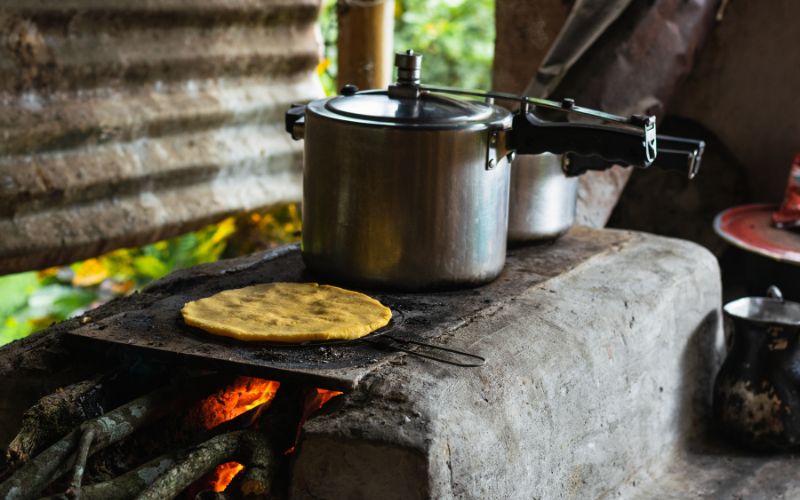
Pressure cooking is an efficient, hands-off way to reduce gas from beans. The high temperature and pressure break down more of the indigestible sugars.
To pressure cook low-gas beans:
- Soak beans overnight before pressure cooking to rehydrate them. Drain and rinse.
- Place soaked beans into the pressure cooker pot with enough water or broth to cover them.
- Lock the lid and bring it up to high pressure. Cook beans for 5-15 minutes at pressure, adjusting time-based on the type of bean.
- Allow pressure to release naturally. The longer under pressure, the fewer oligosaccharides remain.
- Drain beans and use them in recipes as usual. Frozen beans can also be pressure-cooked from a frozen state.
The intense heat of pressure cooking eliminates around 60-70% of the gas-causing sugars in beans while retaining nutrients.
Method 3: A Long Soak
A long soak in warm water can help leech out some of the offending oligosaccharides. Here is how:
- Place dried beans in a bowl and cover with at least double the volume of water.
- Allow beans to soak in warm water for 8-12 hours. Soaking in warm water helps facilitate the loss of oligosaccharides.
- Drain the beans and place in fresh water in a pot. Cook beans until tender.
- Drain and rinse beans before eating.
Soaking beans for a prolonged period can eliminate up to 50% of the sugars that cause gas. Make sure to change the water a few times when soaking for over 8 hours to prevent fermentation. The longer the soak, the fewer the musical toots!
Method 4: Add Vinegar
Adding a splash of vinegar to cooked beans is an easy way to beat the bloat. Studies show that the acetic acid in vinegar hinders the digestion of oligosaccharides and may reduce gas by up to 75%.
To use this method:
- Cook beans as usual by boiling, pressing, or slowly cooking until completely tender.
- Once cooked, drain beans and place in a bowl. Add 2-3 tablespoons of apple cider or white vinegar and stir to coat the beans.
- Allow beans to soak in the vinegar for 1-2 hours before eating. This gives time for the acetic acid to work.
- Drain beans before eating to remove any lingering vinegar taste.
The vinegar soak slows the fermentation and digestion of the oligosaccharides in beans, providing gas relief.
Avoid soaking for more than 2 hours, or the beans may absorb too much vinegar flavour.
Frequently Asked Questions
Why are beans hard to digest?
Beans contain complex carbohydrates called alpha-galactosides that we lack the enzymes to fully digest. When these carbohydrates reach the colon, bacteria start breaking them down, producing gas, bloating and discomfort as byproducts.
Do canned beans cause less gas?
Yes, canned beans tend to cause less gas and digestive distress. The canning process helps break down some of the indigestible sugars that cause gas. Rinsing canned beans thoroughly can help remove even more.
Can I cook beans in a pressure cooker from dried?
Absolutely! You don’t need to soak beans before pressure cooking. Add dried beans and water to the pressure cooker pot and cook on high pressure for the recommended time. Soaking beforehand maximizes gas reduction but is not mandatory.
Can I freeze cooked beans?
Cooked beans freeze well for 3-6 months. Allow cooked beans to cool thoroughly, then place them into freezer bags or containers. Frozen beans can be added directly to recipes or pressure-cooked from frozen. Freezing does not diminish nutritional value.
What are the best low-gas beans?
Lentils, split peas, black-eyed peas and mung beans are naturally lower in oligosaccharides. Soybeans and small white beans like navy and cannellini also cause less gas than other varieties. But any beans can be made gas-free with the proper preparation.
Conclusion
Eating beans doesn’t have to come with unwanted gas or bloating. Simple tricks like baking soda, pressure cooking, vinegar and proper soaking can eliminate up to 75% of the indigestible sugars that cause discomfort.
Using these gas-busting preparation methods allows you to enjoy the nutritional benefits of beans. With their high protein, fibre, vitamins and minerals, beans are one of the healthiest foods you can add to your diet. A little music from your bottom should keep you from reaping their amazing benefits.
The next time you make beans, try some of these methods to reduce gas from beans. You can look forward to getting great nutrition without the unwanted tooting.
What tricks have worked for you to remove gas from beans? Let us know in the comments.




0 Comments